
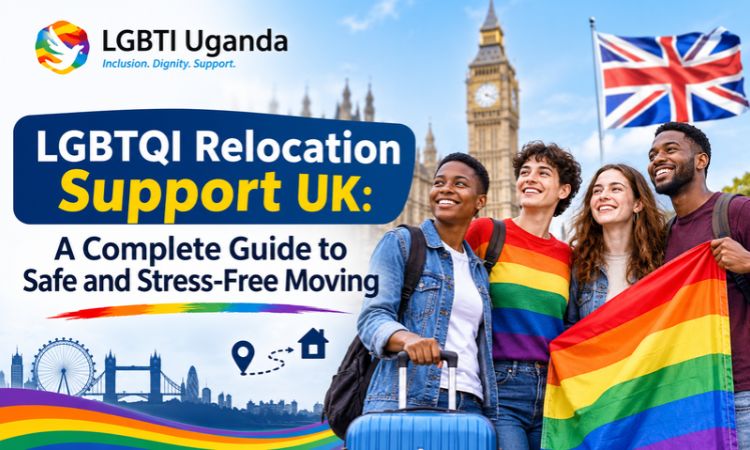
Relocating to a new country can be an important step towards finding safety, freedom, and a better quality of life. For LGBTQI individuals facing discrimination, harassment, or uncertainty in their home countries, moving to the United Kingdom may offer an opportunity to build a more secure future. However, the relocation process can involve several challenges, including immigration requirements, accommodation, financial planning, healthcare, and emotional wellbeing.
Access to reliable LGBTQI relocation support UK services and resources can make this journey easier. With the right information, individuals can better understand their options, prepare for their move, and begin building a supportive life in a new environment.
Why LGBTQI Relocation Support Matters
LGBTQI individuals may experience unique challenges when relocating, particularly when leaving environments where their identity is not accepted or where they face discrimination. Having access to appropriate guidance can help reduce uncertainty and make the transition more manageable.
Relocation support can help individuals with:
- Understanding available UK immigration and protection routes.
- Finding safe and suitable accommodation.
- Accessing LGBTQI-friendly healthcare and support organisations.
- Connecting with inclusive community groups.
- Understanding employment and education opportunities.
- Receiving emotional and practical support during the transition.
These resources can help newcomers feel more informed, supported, and confident as they settle into their new surroundings.
Understanding Immigration and Relocation Options in the UK
Before moving to the UK, it is important to understand the immigration routes that may apply to your circumstances. The correct option depends on your personal situation, eligibility, and reason for relocating.
Some individuals may qualify for work, study, family, or other immigration routes. Those who fear persecution because of their sexual orientation or gender identity may also need information about the UK asylum system.
It is important to remember that asylum is an individual legal process, and eligibility depends on the evidence and circumstances of each case. Anyone considering an application should seek advice from a qualified immigration solicitor or an authorised immigration adviser.
Key Pointers for a Safe and Stress-Free LGBTQI Relocation
Planning ahead can make a significant difference when moving to another country. Consider these important steps before and after relocation.
1. Research Immigration Requirements
Understand the visa or protection route relevant to your circumstances. Check official UK government guidance and seek qualified legal advice before making important decisions.
2. Prepare Important Documents
Keep essential documents organised, including identification, travel documents, educational certificates, employment records, and relevant legal paperwork. Store digital copies securely.
3. Find Safe Accommodation
Research accommodation options before travelling. Look for reputable housing providers, community recommendations, and organisations that understand the needs of LGBTQI individuals.
4. Explore Healthcare Services
Learn how to register with a local GP and access appropriate physical and mental healthcare. Transgender individuals and others with specific healthcare needs should research relevant services in their destination area.
5. Build a Support Network
Connecting with LGBTQI organisations, community groups, and supportive individuals can reduce isolation and help newcomers feel welcome.
6. Plan Your Finances
Estimate your initial expenses, including accommodation, transportation, food, communication, and other essential costs. Having an emergency budget can provide additional security.
Finding LGBTQI-Friendly Communities and Support in the UK
Building connections is an important part of settling into a new country. The UK has LGBTQI community organisations, charities, and local support networks that can provide information, social connections, and guidance.
Newcomers can explore organisations such as Stonewall, Switchboard, and local LGBTQI community groups to learn about available resources. People seeking asylum may also find specialist support through organisations working with LGBTQI refugees and asylum seekers.
These connections can help individuals understand their rights, access relevant services, and develop a sense of belonging.
How LGBTI Uganda Can Help Raise Awareness and Provide Guidance
LGBTI Uganda recognises the importance of information, dignity, inclusion, and support for LGBTQI individuals. Access to reliable resources can help people better understand the challenges associated with relocation and identify appropriate organisations for further assistance.
Individuals considering relocation should research their options carefully, seek reliable information, and connect with qualified professionals and relevant support organisations. Having access to accurate guidance can make it easier to prepare for important decisions and navigate unfamiliar systems.
Common Challenges During Relocation and How to Manage Them
Moving to a new country is not always easy. LGBTQI individuals may experience language barriers, financial difficulties, loneliness, housing discrimination, or uncertainty about immigration procedures.
The best way to manage these challenges is to prepare in advance. Research local services, maintain contact with trusted people, keep important documents secure, and seek professional assistance whenever necessary.
It is equally important to prioritise emotional wellbeing. Joining community activities and connecting with people who understand your experiences can make the adjustment process more positive.
Frequently Asked Questions (FAQs)
1. What is LGBTQI relocation support in the UK?
LGBTQI relocation support refers to guidance and resources that help LGBTQI individuals understand immigration options, find accommodation, access healthcare, and connect with inclusive communities when moving to the UK.
2. Can LGBTQI individuals seek asylum in the UK?
Yes. Individuals who fear persecution because of their sexual orientation or gender identity may be eligible to claim asylum. Each application is assessed individually under UK asylum law.
3. Where can LGBTQI newcomers find support in the UK?
They can contact LGBTQI charities, community organisations, refugee support groups, and specialist services for information and assistance.
4. What documents should I prepare before relocating?
Important documents may include identification, passports, travel records, educational certificates, financial documents, and relevant immigration paperwork.
5. How can I find LGBTQI-friendly accommodation in the UK?
Research reputable housing providers, seek recommendations from trusted community organisations, and ask about inclusive accommodation policies before making arrangements.
Start Your Journey Towards a Safer and More Inclusive Future
Relocation can open the door to new opportunities, personal independence, and a more supportive environment. With proper planning, reliable information, and access to appropriate assistance, LGBTQI individuals can approach their move with greater confidence.
Whether you are exploring immigration options, searching for accommodation, or looking for inclusive communities, taking informed steps can help make the transition smoother. The right support and resources can make a meaningful difference in creating a safe, welcoming, and fulfilling future.

0 Comments In This Topic: