
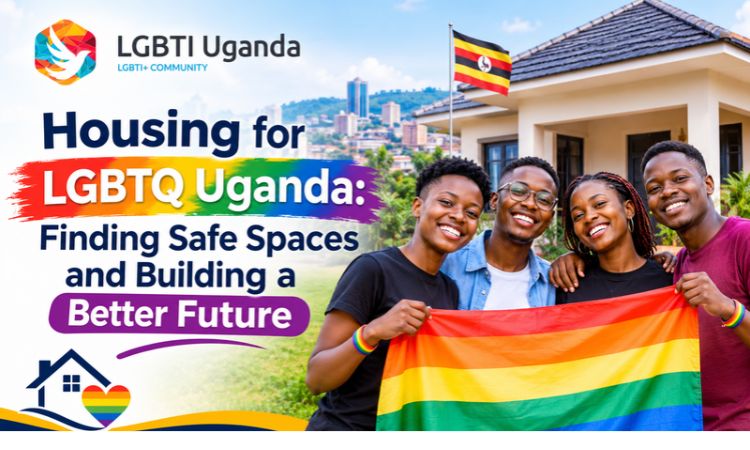
Finding a safe and comfortable place to live is a basic human need. However, for many LGBTQ people in Uganda, accessing secure housing can be challenging because of discrimination, social stigma, family rejection, and limited support systems. Having a place to call home is about more than having a roof over your head; it is about feeling safe, respected, and accepted without fear of mistreatment.
Housing for LGBTQ Uganda is an important topic that deserves greater attention. LGBTQ individuals may experience difficulties when searching for rental accommodation, maintaining stable living arrangements, or finding landlords who treat them fairly. These challenges can affect their education, employment, mental well-being, and ability to build a stable future.
In Uganda, creating awareness about LGBTQ housing needs and improving access to community support can help individuals find safer living arrangements. Through education, advocacy, and supportive networks, it is possible to encourage more inclusive communities where everyone has the opportunity to live with dignity.
Understanding Housing Challenges for LGBTQ People in Uganda
Finding accommodation can be difficult for LGBTQ individuals who experience rejection or discrimination because of their identity or perceived sexual orientation. Some may face pressure from family members, landlords, neighbours, or communities, making it harder to maintain stable housing.
For young LGBTQ Ugandans, these challenges can be particularly difficult. Family disagreements or rejection may force individuals to leave their homes before they have the financial resources to find alternative accommodation.
Some common housing challenges include:
- Family rejection: Some LGBTQ individuals experience rejection at home, leaving them without reliable family support.
- Rental discrimination: Finding landlords willing to provide accommodation without prejudice can be challenging.
- Financial difficulties: Losing family support or employment opportunities can make paying rent difficult.
- Safety concerns: Harassment, threats, or unwanted attention can make certain living environments uncomfortable or unsafe.
- Limited support networks: Individuals who are isolated from family and friends may struggle to identify reliable housing assistance.
Understanding these difficulties is the first step towards developing practical solutions that improve housing access for LGBTQ people in Uganda.
How to Get Housing Support for LGBTQ People in Uganda
Finding safe accommodation can feel overwhelming, especially for someone experiencing family rejection or financial difficulties. However, individuals do not have to navigate every challenge alone. Connecting with trusted community organisations, human rights advocates, and support networks can help people explore available options.
People looking for housing support for LGBTQ people in Uganda can consider the following steps:
- Contact LGBTQ-supportive organisations: Reach out to established organisations working on LGBTQ rights, community welfare, and human rights in Uganda. Ask whether they can provide housing referrals or connect you with trusted support services.
- Explore community networks: Trusted friends, peer groups, and community advocates may help identify safer accommodation options.
- Seek human rights assistance: If you experience threats, eviction, or discrimination, consider contacting a reputable human rights organisation for guidance.
- Discuss emergency needs: If you are at immediate risk of homelessness or violence, explain your situation to a trusted support organisation and ask about emergency referrals.
- Protect personal information: Before sharing sensitive details, confirm that an organisation is trustworthy and ask how your information will be handled.
Availability of accommodation, financial assistance, and emergency services can vary. It is therefore important to contact organisations directly to confirm what support they currently provide.
Education and Skills Development for LGBTQ People in Uganda
Education plays an important role in helping LGBTQ individuals achieve independence, improve their financial circumstances, and create better opportunities for themselves. Unfortunately, some LGBTQ people in Uganda face discrimination, bullying, exclusion, and other difficulties when accessing educational institutions or participating in learning programmes.
Young people who experience family rejection may also struggle to continue their studies because they lose access to financial assistance, accommodation, and other essential resources.
Supporting LGBTQ education in Uganda means creating opportunities for learning, personal development, and professional growth. Education can help individuals gain the confidence and practical skills needed to become financially independent.
Some important areas of educational support include:
- Access to learning opportunities: Connecting individuals with educational resources, scholarships, and supportive learning programmes where available.
- Vocational training: Providing opportunities to develop practical skills in areas such as technology, business, communication, and entrepreneurship.
- Digital education: Encouraging computer literacy, online learning, and digital skills that can improve employment opportunities.
- Career development: Helping individuals prepare for job applications, interviews, and professional opportunities.
- Personal development: Promoting confidence, leadership, communication, and financial management skills.
Education and housing are closely connected. When individuals have a stable place to live, they are better positioned to concentrate on their studies, attend training programmes, and work towards long-term goals.
The Connection Between Safe Housing, Employment, and Independence
Housing stability is an important foundation for building an independent life. Without secure accommodation, individuals may struggle to maintain employment, complete their education, or manage their daily responsibilities.
For LGBTQ people in Uganda, access to employment and income-generating opportunities can make a meaningful difference in overcoming housing challenges. Developing professional skills and exploring entrepreneurship can help individuals become less dependent on unsupportive family members or social networks.
Here are some ways to encourage greater independence:
- Employment opportunities: Access to fair and inclusive workplaces can help LGBTQ individuals earn a stable income.
- Entrepreneurship support: Business training and mentoring can help people establish small businesses.
- Financial literacy: Learning budgeting, saving, and money management can make it easier to plan for accommodation.
- Community connections: Trusted networks can provide information about training, employment, and available assistance.
- Long-term planning: Combining education, employment, and housing support can create a stronger foundation for independent living.
These initiatives are important because safe housing should not be viewed as an isolated need. It is closely connected to education, financial security, health, and overall quality of life.
How LGBTI Uganda Supports a Safer and More Empowered Community
Building a supportive environment requires organisations, advocates, and community members to recognise the challenges LGBTQ individuals experience in Uganda. Community-focused initiatives can help people access essential resources, develop practical skills, and find guidance during difficult situations.
According to its website, LGBTI Uganda focuses on empowering LGBTQ individuals and marginalised communities through health services, education and skills training, employment, entrepreneurship, and talent development. Its listed support areas also include emergency shelter, legal assistance, counselling, and community welfare.
Advocacy, Safe Spaces & Community Support
Through these areas of work, the organisation highlights the importance of addressing immediate needs while encouraging long-term independence.
People seeking assistance can explore the organisation’s website to learn more about its mission and available support options. Individuals should contact the organisation directly to confirm current service availability, eligibility, and confidential ways to request assistance.
Creating Safer and More Inclusive Communities in Uganda
Improving housing opportunities also requires greater awareness and understanding within Ugandan communities. Discrimination and misinformation can create barriers that prevent LGBTQ individuals from accessing basic services and living without fear.
Uganda’s Anti-Homosexuality Act 2023 has created additional legal and social challenges for LGBTQ individuals and organisations providing support. Reports also document discrimination in housing, education, employment, and healthcare.
Creating safer communities requires thoughtful approaches, including:
- Raising awareness about the importance of human dignity and respectful treatment.
- Encouraging access to education and employment opportunities.
- Supporting confidential, trusted assistance for people facing housing difficulties.
- Promoting practical skills that encourage financial independence.
- Connecting individuals with appropriate legal, health, and community support.
Support initiatives must also consider the local legal environment and protect the privacy and safety of the people they serve.
LGBTI Uganda for Housing and Community Support
Are you looking for safe housing, educational opportunities, or support services for LGBTQ people in Uganda? LGBTI Uganda is committed to empowering LGBTQ individuals and marginalised communities through housing assistance, education, skills development, and community support.
Whether you need guidance on finding safer accommodation, accessing educational resources, or connecting with supportive networks, reaching out can be a helpful first step. Contact LGBTI Uganda to learn more about available services and how you can access the support you need.