
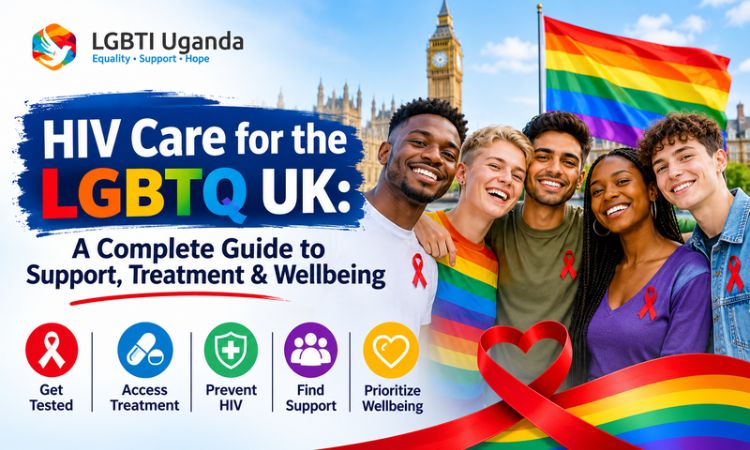
Access to safe, inclusive, and reliable healthcare is essential for everyone. For LGBTQ+ individuals across the United Kingdom, HIV care plays an important role in maintaining physical health, emotional wellbeing, and overall quality of life. Although HIV treatment has advanced significantly, awareness, early testing, prevention, and access to supportive healthcare services remain important.
Understanding HIV care for the LGBTQ UK can help individuals make informed decisions, reduce health risks, and access the support they deserve. Whether someone is looking for HIV testing, treatment options, prevention advice, or emotional support, the right information can make a meaningful difference.
Understanding HIV Care for the LGBTQ Community
HIV (Human Immunodeficiency Virus) affects the immune system and can be managed effectively with modern medical treatment. People living with HIV can enjoy long, healthy lives when they receive appropriate treatment and ongoing medical support.
LGBTQ+ individuals may sometimes experience additional barriers when accessing healthcare, including discrimination, stigma, lack of awareness, or concerns about confidentiality. Inclusive healthcare services help create an environment where everyone feels respected, understood, and comfortable discussing their health.
Importance of Regular HIV Testing
Regular HIV testing is one of the most effective ways to understand your health status. Early diagnosis allows individuals to begin treatment promptly and take appropriate steps to protect their wellbeing.
In the UK, HIV testing is available through NHS sexual health clinics and reliable home-testing services.
Key pointers for HIV testing:
- Consider regular HIV testing based on your personal circumstances and potential exposure.
- Choose a trusted sexual health clinic or approved testing service.
- Discuss any concerns about symptoms or possible exposure with a healthcare professional.
- Follow professional advice about repeat testing and testing windows.
- Maintain regular sexual health check-ups.
HIV Treatment and Medical Support
There is currently no cure for HIV, but antiretroviral therapy (ART) helps control the virus and protects the immune system. With consistent treatment and regular medical monitoring, many people living with HIV can maintain good health and live fulfilling lives.
In the UK, specialist HIV clinics provide treatment plans, medical assessments, and ongoing support.
Important aspects of HIV treatment include:
- Antiretroviral Therapy (ART): Medicines that reduce the amount of HIV in the body.
- Regular Health Monitoring: Blood tests help healthcare professionals monitor viral load and immune health.
- Medication Consistency: Following the prescribed treatment plan is important for long-term health.
- Professional Guidance: Healthcare specialists can help manage treatment and address concerns.
HIV Prevention: PrEP, PEP and Safer Practices
Prevention is another important part of LGBTQ+ healthcare. Several effective options can help reduce the risk of HIV transmission.
Here are some important prevention methods:
- PrEP (Pre-Exposure Prophylaxis): Medication taken before potential exposure to HIV to help prevent infection. It is available free through NHS sexual health clinics in the UK.
- PEP (Post-Exposure Prophylaxis): Emergency medication that may prevent HIV infection after possible exposure. It must be started within 72 hours, and sooner is better.
- Condom Use: Using condoms correctly can help reduce the risk of HIV and other sexually transmitted infections.
- Regular Testing: Testing helps individuals understand their HIV status and make informed health decisions.
Another important message is U=U (Undetectable = Untransmittable). People living with HIV who maintain an undetectable viral load through effective treatment do not sexually transmit HIV.
Mental Health, Wellbeing and Community Support
HIV care is not limited to medication and medical appointments. Emotional wellbeing, mental health, and social support are equally important.
Some LGBTQ+ individuals living with HIV may experience anxiety, isolation, or discrimination. Access to confidential counselling, peer-support groups, and inclusive community organisations can help individuals feel understood and supported.
A welcoming support network can encourage people to seek medical advice, continue treatment, and build confidence in their everyday lives.
How LGBTI Uganda Supports LGBTQ+ Wellbeing
LGBTI Uganda is committed to supporting LGBTQ+ individuals through community assistance, advocacy, access to healthcare information, and emotional support. Its work includes connecting vulnerable individuals with medical assistance, counselling, emergency support, and community resources.
Although its services are focused on LGBTQ+ communities in Uganda and East Africa rather than operating as a UK HIV treatment provider, its commitment to dignity, safety, and inclusive support reflects the importance of accessible healthcare for LGBTQ+ people everywhere.
Frequently Asked Questions (FAQs)
1. Where can LGBTQ+ people access HIV care in the UK?
LGBTQ+ individuals can access HIV testing, treatment, and medical advice through NHS sexual health clinics, specialist HIV clinics, and trusted healthcare organisations such as Terrence Higgins Trust.
2. Is HIV treatment available for free in the UK?
Yes. HIV treatment and care are available free through the NHS, including for eligible people who need specialist medical support.
3. What is the best way to prevent HIV?
Effective prevention methods include PrEP, PEP, using condoms, and regular HIV testing. A healthcare professional can recommend suitable options based on individual circumstances.
4. Can LGBTQ+ people living with HIV lead a healthy life?
Yes. With consistent antiretroviral treatment, regular medical monitoring, and appropriate support, people living with HIV can enjoy long and healthy lives.
5. What does U=U mean in HIV care?
U=U stands for Undetectable = Untransmittable. It means someone living with HIV who maintains an undetectable viral load through effective treatment does not transmit HIV through sex.
6. Why is inclusive HIV care important for LGBTQ+ communities?
Inclusive HIV care ensures that LGBTQ+ individuals receive respectful, confidential, and discrimination-free healthcare. It also encourages early testing, treatment access, and better mental wellbeing.
7. Where can LGBTQ+ individuals find emotional support when living with HIV?
Individuals can seek emotional support through LGBTQ+ community organisations, counselling services, peer-support groups, and organisations such as Terrence Higgins Trust.
Final Thoughts
HIV care for the LGBTQ UK community involves more than medical treatment. It includes regular testing, effective prevention, confidential healthcare, emotional support, and freedom from discrimination. With the right information and access to professional healthcare, people living with HIV can lead healthy and fulfilling lives.
Everyone deserves respectful healthcare, regardless of sexual orientation or gender identity. Raising awareness and encouraging inclusive support can help create healthier, safer, and more accepting communities.

0 Comments In This Topic: