
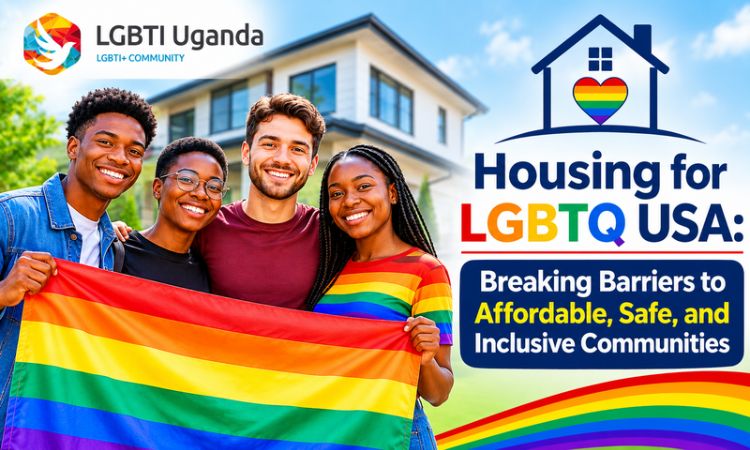
Having a safe and comfortable home is a basic part of living with dignity. Everyone deserves a place where they can feel accepted, protected, and free to express their identity. However, finding suitable accommodation remains a challenge for many lesbian, gay, bisexual, transgender, queer, and other LGBTQ+ individuals. Housing discrimination, financial difficulties, family rejection, and social exclusion can make it difficult to find stable living arrangements.
The discussion around Housing for LGBTQ USA is about more than finding affordable accommodation. It is about creating communities where everyone receives equal opportunities and access to essential support. At the same time, LGBTQ+ youth in Uganda also need international attention, particularly when it comes to education, food, clothing, and financial assistance.
Why Inclusive Housing Matters for LGBTQ+ Communities
A supportive home environment can make a significant difference in someone’s personal and professional life. Unfortunately, some LGBTQ+ individuals experience unfair treatment when searching for rental properties, applying for housing assistance, or interacting with landlords.
Inclusive housing initiatives help address these challenges by encouraging equal treatment and providing access to supportive resources.
Some important benefits of LGBTQ+-friendly housing include:
- Personal security: Individuals can live in environments where their dignity and safety are respected.
- Affordable accommodation: Financial support and accessible housing options can reduce economic pressure.
- Community acceptance: Welcoming neighborhoods can help people feel connected rather than isolated.
- Equal opportunities: Fair housing practices help individuals access accommodation without discrimination.
- Greater independence: Stable housing provides a foundation for education, employment, and personal growth.
Major Housing Challenges Faced by LGBTQ+ Individuals
Despite increasing awareness of equality and inclusion, housing insecurity continues to affect LGBTQ+ communities.
Some individuals experience rejection from family members, while others encounter difficulties finding landlords or communities that respect their identity. Young people who lack financial independence can be particularly vulnerable.
Common challenges include:
- Housing discrimination: Unfair treatment during rental applications or housing searches.
- Financial limitations: High rental costs and limited income can make independent living difficult.
- Family rejection: Some young LGBTQ+ individuals lose access to family housing and financial support.
- Limited community resources: Not every location has accessible LGBTQ+-friendly shelters or support organizations.
- Social isolation: Living without a supportive community can create additional difficulties.
Addressing these issues requires cooperation between communities, housing organizations, nonprofits, and individuals who believe in equal rights.
Supporting LGBTQ+ Youth in Uganda Through Education
While housing initiatives in the USA remain important, it is equally necessary to recognize the needs of LGBTQ+ young people in Uganda.
Many young people face financial challenges that affect their ability to continue their education, access basic necessities, and build independent futures. For eligible students, studying abroad can create valuable opportunities to gain qualifications, develop professional skills, and pursue meaningful careers.
However, international education can be expensive. Tuition fees, accommodation, travel, and learning materials may prevent talented students from achieving their academic goals.
This is where universities, academic institutions, scholarship providers, and international donors can contribute.
How can academic institutions help?
- Consider offering scholarships to eligible LGBTQ+ students from Uganda who want to study abroad.
- Provide tuition assistance and educational grants.
- Develop international educational partnerships.
- Share information about admission requirements and funding opportunities.
How can donors contribute?
- Help students identify suitable international scholarships.
- Contribute toward tuition and other eligible educational expenses.
- Support educational resources and learning materials.
- Encourage long-term educational opportunities for vulnerable young people.
A scholarship can give a deserving student the opportunity to move closer to a more independent and secure future.
Help LGBTQ+ Youth in Uganda Access Food and Clothing
Alongside education, access to everyday necessities is essential. Some vulnerable LGBTQ+ young people need assistance obtaining regular meals, suitable clothing, and other basic supplies.
International contributions can help address these practical needs when managed responsibly.
Here are some meaningful ways to support:
- Food assistance: Help vulnerable young people access nutritious meals and essential groceries.
- Clothing support: Contribute toward appropriate clothing for individuals experiencing financial hardship.
- Educational materials: Help students access books, stationery, and other learning resources.
- Emergency assistance: Support urgent needs when individuals face difficult circumstances.
- Community development: Encourage initiatives that promote independence, inclusion, and dignity.
How International Donors Can Support LGBTQ+ Communities
Supporting LGBTQ+ individuals should be a shared responsibility that extends beyond national borders. People and organizations from the USA, Canada, Australia, Europe, and other countries can help create opportunities for vulnerable LGBTQ+ youth in Uganda.
You can make a difference in several ways:
- Donate today: Explore opportunities to support food, clothing, education, and other essential needs.
- Sponsor a student’s education: Help eligible LGBTQ+ youth access scholarships and funding for international studies.
- Build partnerships: Universities and nonprofit organizations can explore educational and community-support collaborations.
- Share awareness: Spread information about the challenges faced by LGBTQ+ youth in Uganda.
- Support sustainable initiatives: Encourage long-term programs that help individuals develop skills and become financially independent.
Every contribution can help when it reaches a genuine need and is used transparently.
Frequently Asked Questions (FAQs)
1. What does Housing for LGBTQ USA mean?
Housing for LGBTQ USA refers to safe, affordable, and inclusive accommodation opportunities where LGBTQ+ individuals can live without discrimination or unfair treatment.
2. Why is LGBTQ+-friendly housing important?
It helps individuals access stable living conditions, personal security, community acceptance, and greater independence.
3. What housing challenges do LGBTQ+ individuals face in the USA?
Some challenges include rental discrimination, high housing costs, family rejection, homelessness, and limited access to supportive accommodation.
4. How can I help LGBTQ+ youth in Uganda?
You can support educational opportunities, contribute toward food and clothing, share awareness campaigns, or explore donation opportunities through LGBTI Uganda.
5. Can international donors sponsor LGBTQ+ students from Uganda?
International donors can contribute toward eligible educational expenses and help students identify scholarship opportunities for studying abroad.
Creating a More Inclusive Future Through Community Support
The goal of Housing for LGBTQ USA should extend beyond accommodation. It should encourage a wider commitment to equality, acceptance, and access to opportunities.
Whether someone needs a safe home in the United States or educational assistance in Uganda, everyone deserves the chance to build a meaningful life without discrimination.
LGBTI Uganda encourages individuals, donors, educational institutions, and international organizations to recognize the importance of supporting LGBTQ+ communities.

0 Comments In This Topic: